Menu

Reducing barriers to sustainable construction

Reducing barriers to sustainable construction

Streamlined permitting and prompt payment mark a meaningful shift in B.C.

In his REMI Network opinion piece, Matthew Reid, Chief Operating Officer at Kindred Construction, argues that British Columbia’s new permitting reforms and prompt payment legislation represent a pivotal shift for the construction industry. Long plagued by red tape, delayed approvals, and slow payment cycles, builders now have a clearer, more predictable path to delivering much-needed multi-residential housing. Streamlined permitting aims to cut unnecessary review stages, reduce duplication, and accelerate project timelines, particularly important for sustainable construction methods like mass timber, which often face added complexity. Meanwhile, prompt payment legislation strengthens cash flow, supports subcontractors and suppliers, and enhances overall project stability. Reid emphasizes that these changes lay the groundwork for a more efficient, collaborative, and innovative building environment, one that enables faster, smarter, and more sustainable housing delivery across the province.

Click here to learn more.

You might also be interested in

One of B.C.’s tallest mass timber residential buildings rises at 981 Davie

Community

A recent BC Business article highlights 981 Davie, as one of British Columbia’s tallest mass timber residential buildings, combining Passive House performance with affordable housing and community space. The 17-storey development will deliver 154 homes alongside a new QMUNITY hub,...

As Ottawa pushes prefab, B.C. experts say reality is more complex

Community

A recent Business in Vancouver article highlights Vienna House, a seven-storey affordable housing development, as a leading example of sustainable, high-performance construction, and explores how prefabrication can help accelerate housing delivery. Kindred Construction’s Project Director, Sean Binns, shares insights on...
How Canadian Developers Are Building For 2026 (And Beyond)

Community

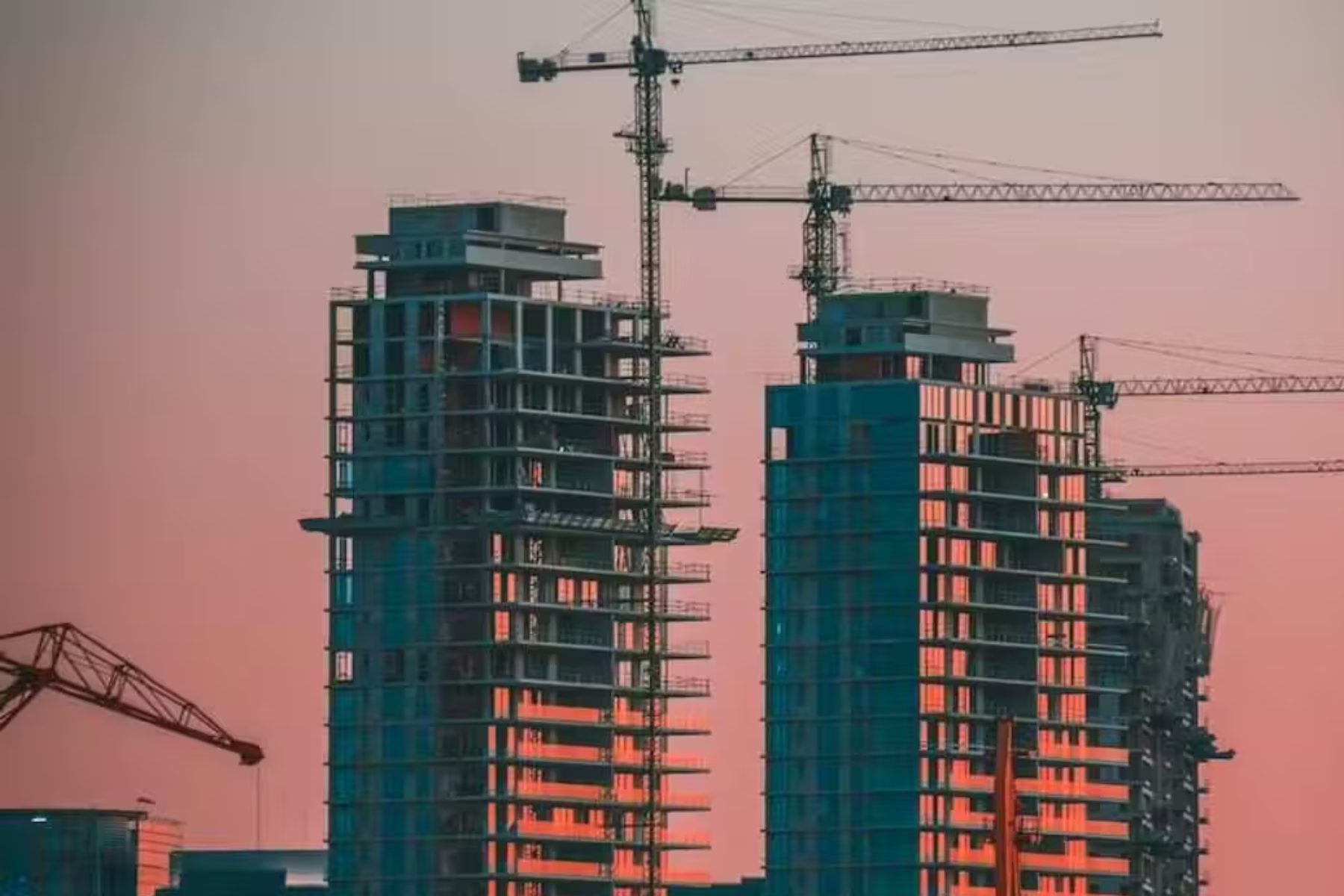
STOREYS’ article, How Canadian Developers Are Building for 2026 (And Beyond), explores the key forces shaping the Canadian real estate development market in 2026. As rising construction costs, high interest rates, capital constraints, and slower condo absorption challenge project feasibility,...